White Sands
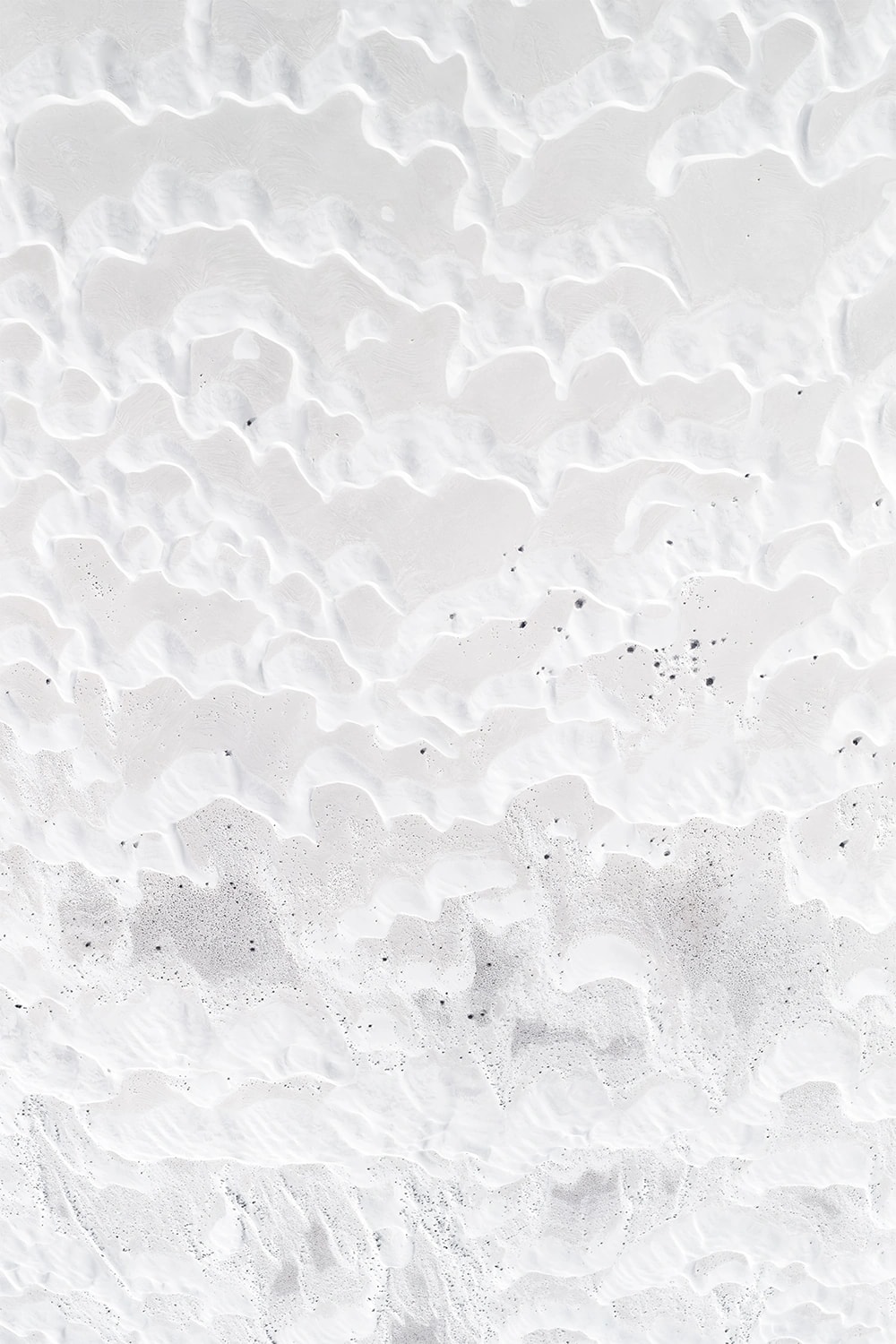
The world's largest gypsum dunefield, a 275-square-mile expanse of white mineral sand in the Tularosa Basin.
Airspace above the park is restricted from ground to space — surrounded by White Sands Missile Range to the north and Holloman Air Force Base to the east. On July 16, 1945, the world's first atomic bomb was detonated at Trinity Site, sixty miles north of the park.
WHITE SANDS
The world's largest gypsum dunefield, a 275-square-mile expanse of white mineral sand in the Tularosa Basin. Airspace above the park is restricted from ground to space — surrounded by White Sands Missile Range to the north and Holloman Air Force Base to the east. On July 16, 1945, the world's first atomic bomb was detonated at Trinity Site, sixty miles north of the park. Latitude 32°N Status U.S. National Monument: 1933 — Redesignated U.S. National Park: 2019 Project Distinction First known photographic aerial survey of the world's largest gypsum dunefield (2018).
The world's largest gypsum dunefield, a 275-square-mile expanse of white mineral sand in the Tularosa Basin. Airspace above the park is restricted from ground to space — surrounded by White Sands Missile Range to the north and Holloman Air Force Base to the east. On July 16, 1945, the world's first atomic bomb was detonated at Trinity Site, sixty miles north of the park.
White SandsPHOTOGRAPHY2018
White Sands