Craters
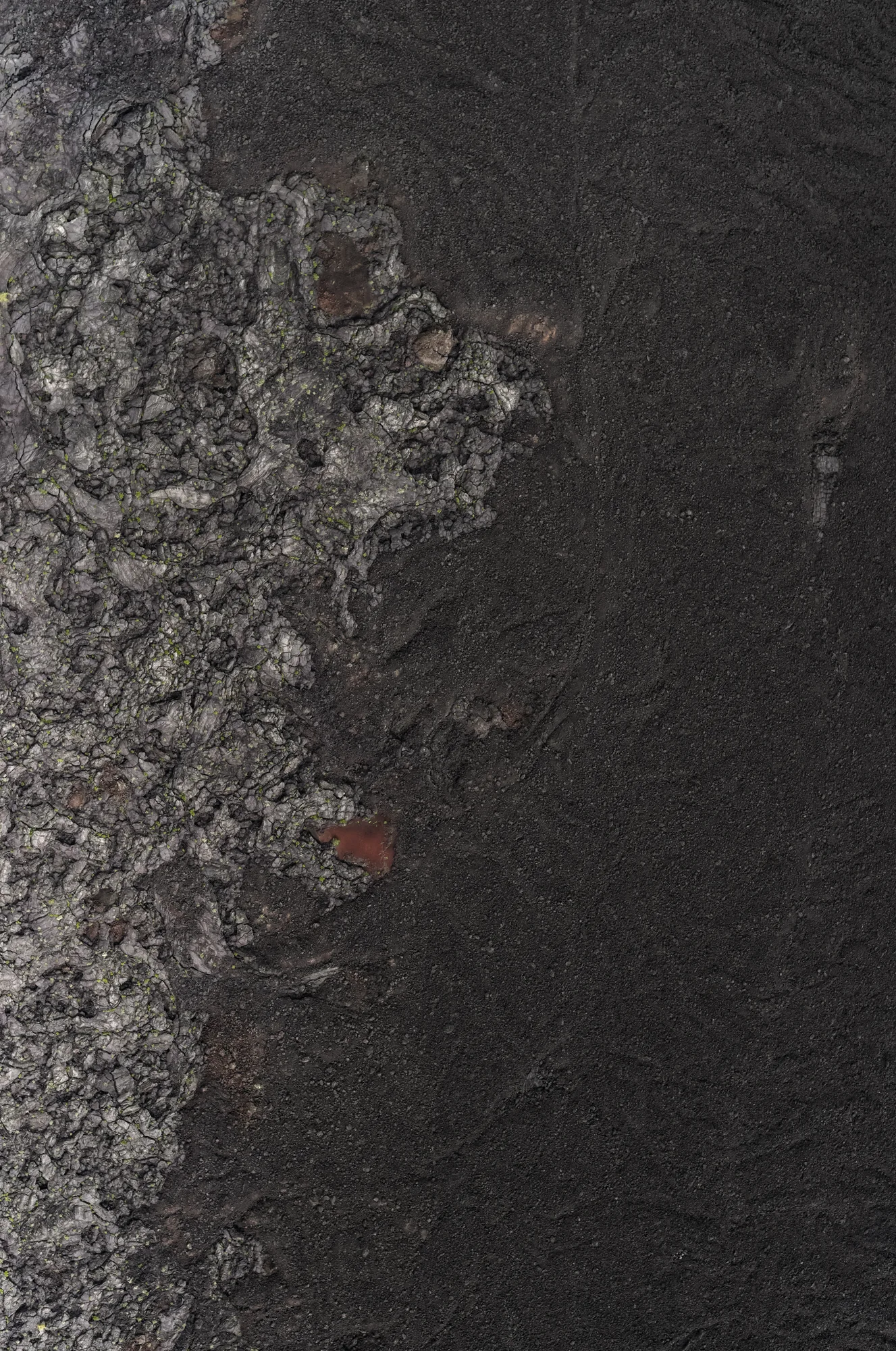
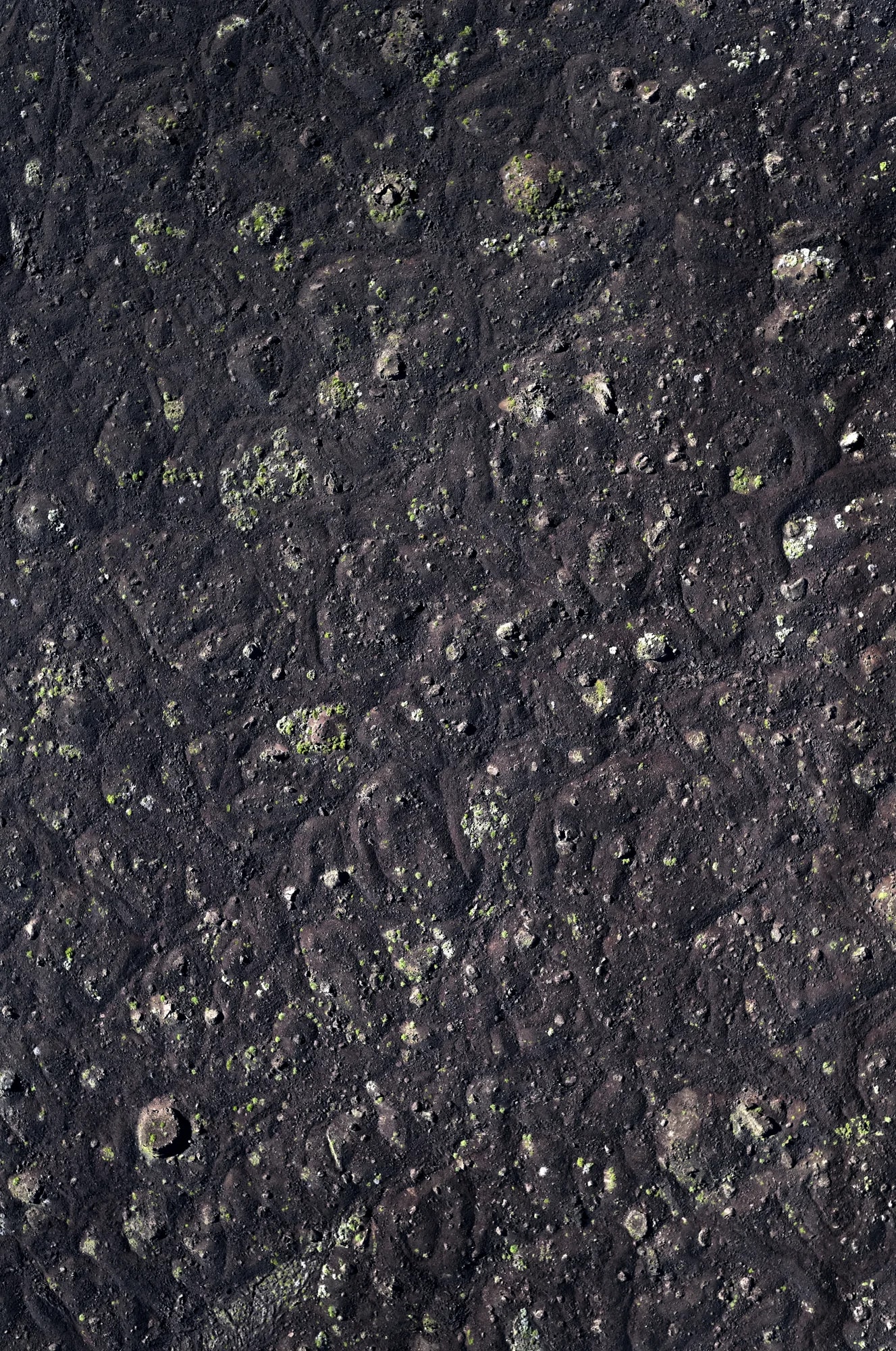
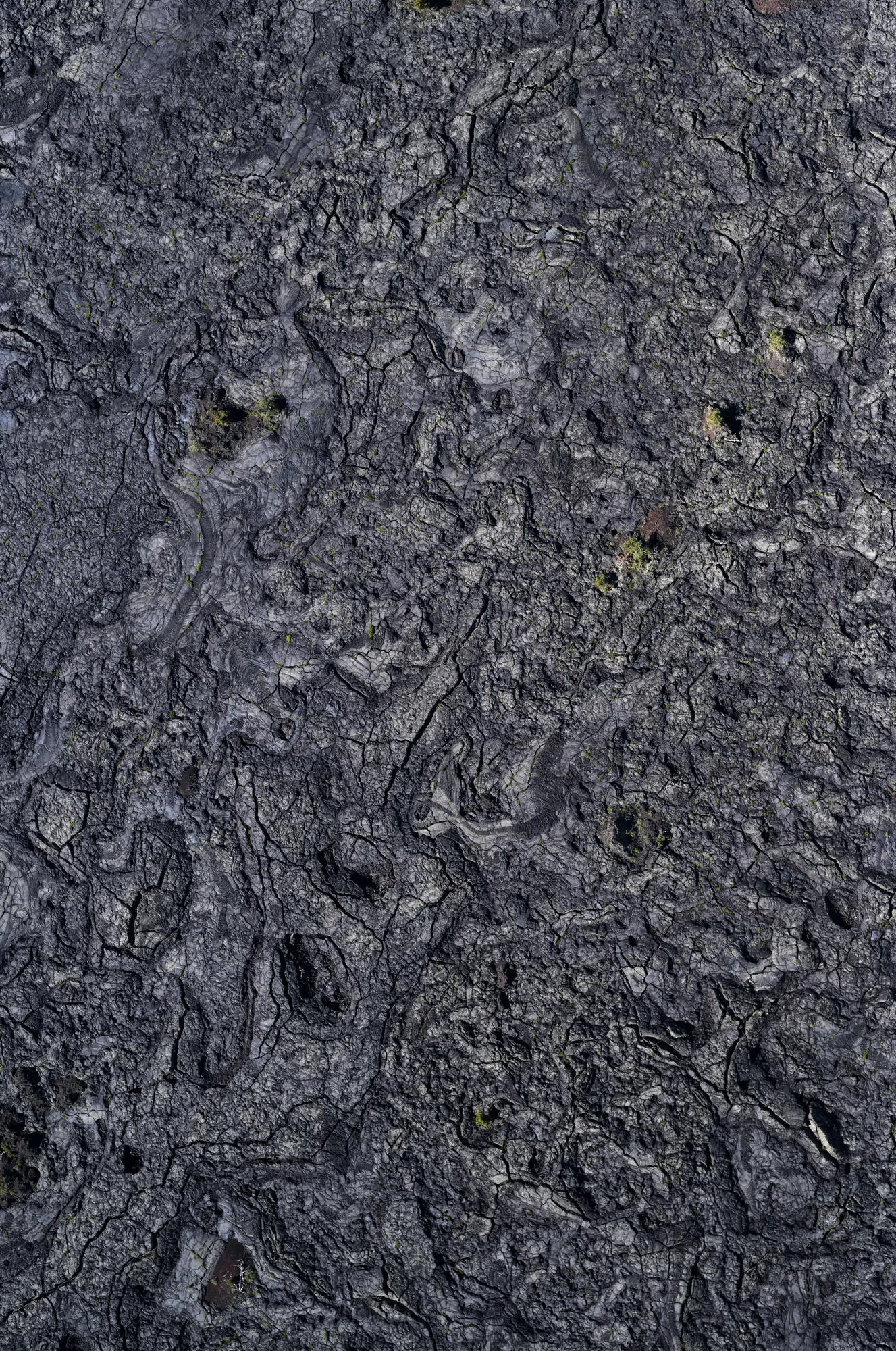
A vast volcanic landscape on Idaho's Snake River Plain. Lava flows, cinder cones, spatter cones, fissures, and sagebrush plains form one of the best-preserved recent volcanic terrains in the continental United States — 620 square miles, the largest predominantly Holocene lava field in the contiguous U.S.
The present surface formed through eight major eruptive periods over the last 15,000 years. In 1969, Apollo 14 astronauts trained here before traveling to the Moon.
CRATERS OF THE MOON NATIONAL MONUMENT Status U.S. National Monument: 1924 — International Dark Sky Park: 2017 A vast volcanic landscape on Idaho's Snake River Plain. Lava flows, cinder cones, spatter cones, fissures, and sagebrush plains form one of the best-preserved recent volcanic terrains in the continental United States — 620 square miles, the largest predominantly Holocene lava field in the contiguous U.S. The present surface formed through eight major eruptive periods over the last 15,000 years. In 1969, Apollo 14 astronauts trained here before traveling to the Moon. Latitude 43°N Project Distinction: First known photographic aerial survey of Craters of the Moon National Monument (2018).
A vast volcanic landscape on Idaho's Snake River Plain. Lava flows, cinder cones, spatter cones, fissures, and sagebrush plains form one of the best-preserved recent volcanic terrains in the continental United States — 620 square miles, the largest predominantly Holocene lava field in the contiguous U.S. The present surface formed through eight major eruptive periods over the last 15,000 years. In 1969, Apollo 14 astronauts trained here before traveling to the Moon.
Craters